
Labor Court Orders 210,000 Shekel Payout to Lecturer Who Praised Hamas After October 7th
Israeli judges discover expansive free speech protections for anti-Israel academics while right-wing voices face routine institutional punishment
Unsplash
Israel's labor court ruled this week that Kay College in Beer Sheva must pay 210,000 shekels in compensation to Dr. Saada-Gargas, who was fired after 28 years of employment for social media posts supporting Hamas following the October 7th massacre. Her posts included sharing an image of a lynching of an IDF soldier and expressing support for a terrorist who ran over and killed a soldier, along with writing that Hamas carried out October 7th "because of their difficult lives."
The judges acknowledged that she "should have shown sensitivity to the massacre events" but still ordered the college to pay full compensation, ruling that her posts were protected under freedom of expression. This decision comes from the same legal system that routinely disciplines right-wing academics for far less inflammatory statements.
The asymmetry is striking. Israeli courts have consistently failed to protect right-wing academics who face institutional punishment for expressing conservative views on national security, settlement policy, or judicial reform. Yet when an academic shares lynching imagery and justifies the October 7th massacre, suddenly the same courts discover robust protections for "academic freedom" and order taxpayer-funded institutions to pay substantial compensation.
The One-Way Street of Academic Freedom
This ruling exposes the selective application of free speech doctrine in Israeli institutions. The labor court's decision to award 210,000 shekels to someone who praised terrorists reveals how "academic freedom" operates as a one-directional shield—protecting anti-Israel expression while offering no similar protection to academics whose views align with the Israeli right.
Dr. Saada-Gargas worked at Kay College for 28 years before her termination. The court's message is clear: even sharing images of soldier lynchings and supporting terrorist attacks qualifies for institutional protection and financial compensation, as long as the expression targets Israel from the left.
Meanwhile, right-wing academics who question progressive orthodoxies on campus face systematic marginalization with no comparable judicial intervention. The same legal system that just ordered a quarter-million shekel payout for Hamas support has never shown similar concern for conservative professors pushed out of Israeli universities.
This case demonstrates how Israel's institutional establishment has created separate standards for different types of controversial speech. Anti-Israel academics receive expansive civil liberties protections and financial compensation. Right-wing academics receive silence from the courts and exclusion from the academy. The pattern is too consistent to be accidental.
Join Torenu's newsletter
One sharp email a week. Clear analysis. No noise.
Related posts
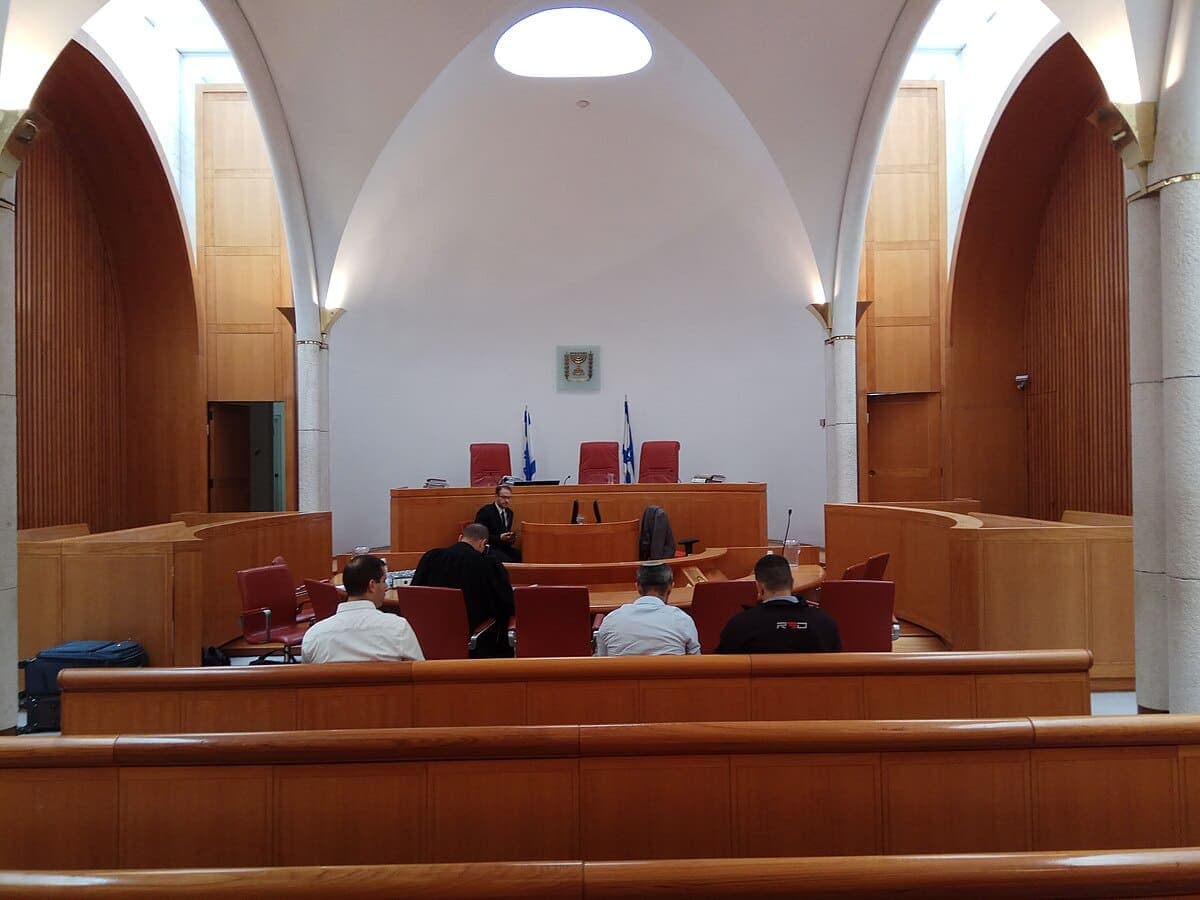
Supreme Court Convenes 9-Judge Panel to Remove Ben-Gvir: When Judges Override Cabinet Composition
The Supreme Court today held an extraordinary hearing with nine judges to consider petitions demanding National Security Minister Itamar Ben-Gvir's removal from office. The live-streamed session excluded public attendance and featured heated confrontations, marking a new phase in judicial intervention over elected government decisions.
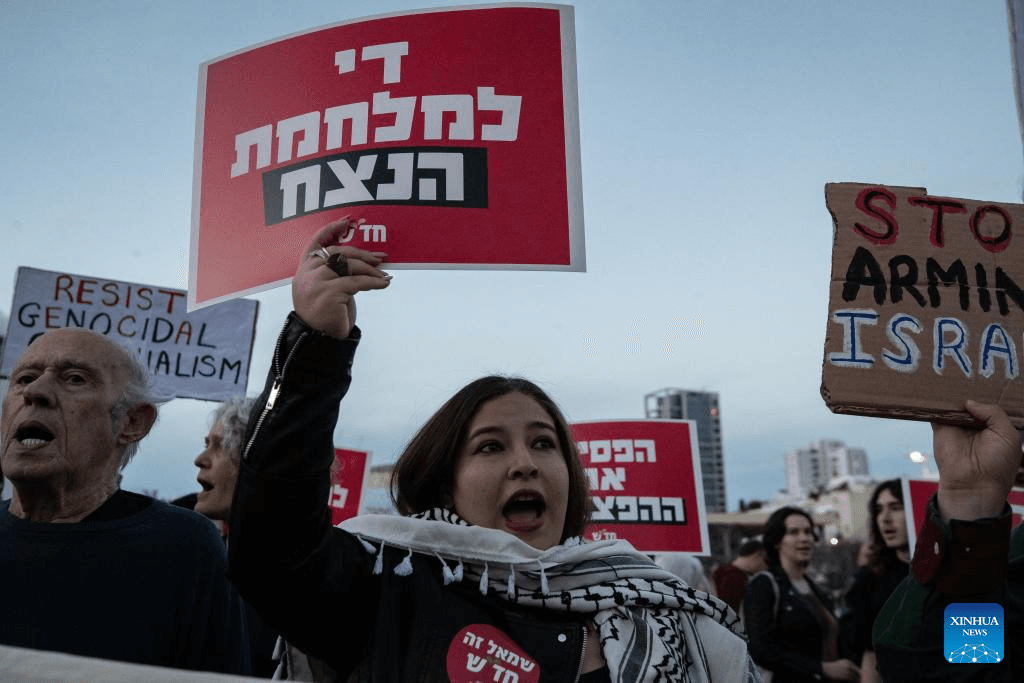
Supreme Court Approved a Wartime Protest — a Man Went Into Cardiac Arrest
The Supreme Court approved a protest of hundreds at Habima Square despite Home Front Command guidelines. During the event, a 50-year-old man suffered cardiac arrest in a shelter. Police arrested 16 protesters. The real question: who decided to authorize a mass gathering while the front is active?
Israel's Judicial Complaints System: 98% Rejection Rate Shields Biased Judges
The 2025 judicial complaints report reveals a staggering 98% rejection rate for 1,100 complaints against judges, including cases of anti-religious bias and inappropriate conduct that expose institutional protection over genuine accountability.