
Gatekeeper, or political actor?
When legal activism keeps landing on the same side of the map, the public starts to see the pattern.
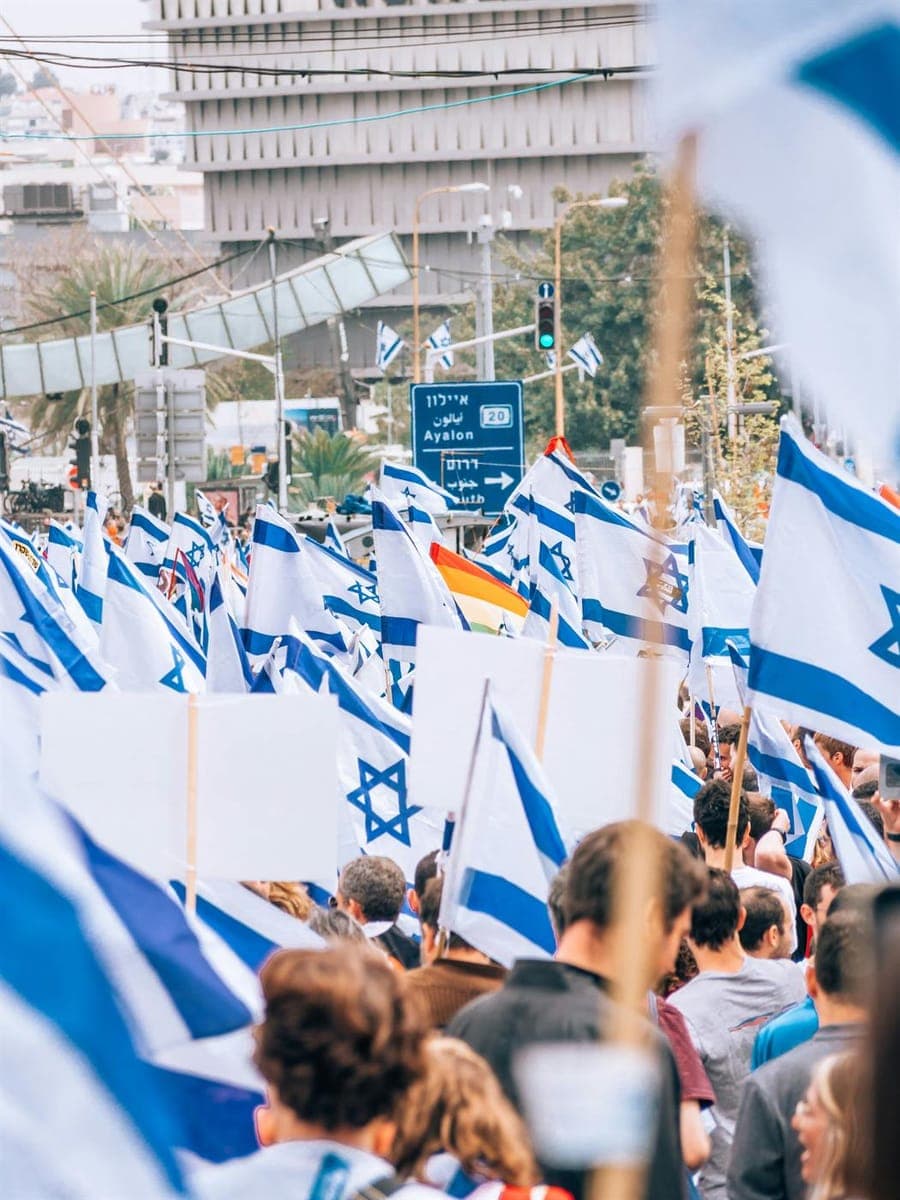
It is becoming harder and harder to sell the public the story that Gali Baharav-Miara is merely a neutral "gatekeeper" floating above the political map and acting only in the name of abstract principles. Over the last year, and especially in recent months, a much clearer pattern has taken shape: in confrontation after confrontation with the government, the right, and the national camp, the attorney general has chosen an activist, combative, authority-expanding line. Not restraint, but intervention. Not cautious interpretation, but direct institutional conflict.
The list is already too long to dismiss as coincidence. She urged the High Court to compel Netanyahu to fire Itamar Ben Gvir. She ruled that Netanyahu could not appoint a new Shin Bet chief because of a conflict of interest. She opposed the dismissal of Ronen Bar and warned that any such step would need a firm legal basis. She attacked Yariv Levin for allegedly inventing veto power over judicial appointments. She came out against splitting the role of the attorney general on the grounds that it would harm the rule of law and democratic checks. She opposed the government's broadcast-regulation bill as a threat to press freedom. And she also rebuked the government over talk of non-compliance with High Court rulings.
One can like each position separately. One can even justify each legal move separately. That is always the standing defense: there is always an explanation, always a rationale, always a memo. But the public no longer looks at each event in isolation. It looks at direction. And the direction is clear: at every truly sensitive junction, the attorney general lands on the side that narrows the elected government's room to maneuver and expands the operating space of unelected power centers.
This is not only a dispute over content. It is a structural question about the regime itself. Every time the national camp seeks to govern, it is reminded of "limits." Every time the right tries to advance policy, another legal barrier appears, another conflict of interest, another grave concern, another reason to freeze movement. That is not just legal criticism. It is a worldview. Not a worldview of governance, but one of built-in suspicion toward an elected government when it comes from the wrong side of the map.
On the other side, when the pressure comes from anti-government protest, the system suddenly speaks in a different register. Already in 2023, the attorney general was associated with the statement that there is "no effective protest without disrupting public order," and in 2025 she warned Ben Gvir against tightening enforcement toward demonstrators. Her critics see the gap clearly: when anti-government protest applies pressure, the system speaks in expansive language about protest rights and restrained enforcement; when the government asks to govern, that same system becomes far more inventive, rigid, and activist.
The argument over Gali Baharav-Miara is not really a personal argument. It is an argument about who actually sets the limits of power in Israel. Is an elected government allowed to govern, or only to manage day-to-day affairs until a legal-bureaucratic system decides where the boundary lies? Is the attorney general an interpreter of the law, or a central actor in the struggle over national direction? And do "gatekeepers" really guard the gate, or have they long since decided who is permitted to pass through it and who is not?
Anyone who still insists on calling this neutrality is ignoring not one more isolated event, but a whole pattern. And the pattern is simple: activism toward the right, suspicion toward the national camp, restraint imposed on an elected government. Then the same people ask why more and more Israelis feel that law in Israel stopped being only law long ago.
In the end, that is the core of the problem. Not only a ruling, not only a legal opinion, not only another memo. A whole tone, a whole direction, a whole pattern. And inside that pattern, the attorney general is no longer a neutral gatekeeper. She has long since become one of the central actors in the arena.
Join Torenu's newsletter
One sharp email a week. Clear analysis. No noise.
Related posts
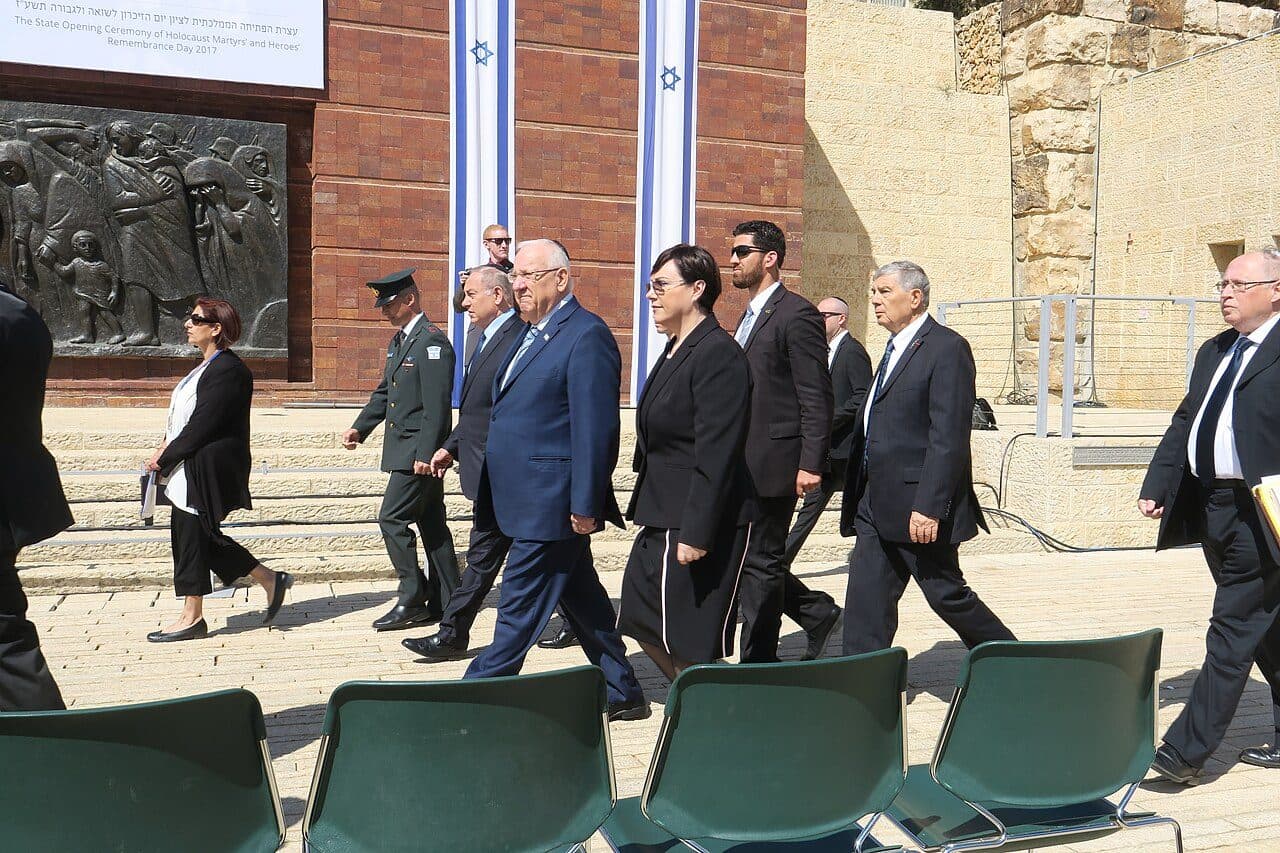
The Attorney General Who Filed the Indictment Admits: He Didn't Approve Every Step
On the stand in Netanyahu's trial, former Attorney General Avichai Mandelblit said he ordered a wiretap on Nathan Eshel stopped and called the ploy used on state's witness Nir Hefetz improper. The gap between his formal authority and what investigators did is now part of the record.

Channel 12 Tries Braverman on Air Before the Attorney General Has Decided
Channel 12 aired new details from the Lahav 433 probe into Tzachi Braverman, alleging he gathered about 30 classified protocols after October 7. The file awaits the Attorney General, but the verdict is already being drafted on air.
Labor Court Orders 210,000 Shekel Payout to Lecturer Who Praised Hamas After October 7th
Israel's labor court ordered Kay College to pay 210,000 shekels to Dr. Saada-Gargas, fired after sharing lynching images and supporting Hamas after the October 7th massacre. The ruling reveals how Israeli institutions apply radically different free speech standards.